October 7, 2026
A commercial roof is one of the most important protective systems on a business property. It shields inventory, equipment, employees, customers, and the building itself from rain, wind, snow, and other environmental conditions. However, roof damage can develop gradually, and relatively minor problems can become much more expensive if they are ignored.
Learning to recognize early warning signs can help property owners address problems before they spread. Commercial roofers can also provide professional inspections and maintenance to identify issues that may not be obvious from the ground. Understanding what to look for and when to call for professional assistance can help businesses protect their buildings and manage roofing costs.
What Are the Early Signs of Roof Damage?
Some roof problems are relatively easy to spot, while others develop beneath the visible roofing surface. Missing, cracked, curling, or damaged shingles can indicate that a roof has begun to deteriorate. On commercial properties with membrane or other low-slope roofing systems, bubbling, punctures, tears, separated seams, or damaged flashing can serve as warning signs.
Granule loss is another potential indication of deterioration on asphalt roofing. Granules may collect in gutters, drains, or other areas around the building. Inside the property, water stains on ceilings and walls, damp insulation, musty odors, or unexplained moisture can indicate that water is getting through the roofing system.
Commercial roofers can investigate these warning signs to determine whether they represent isolated damage or a larger problem. Catching a small leak early may allow for a relatively straightforward repair instead of waiting until water damages insulation, decking, interior finishes, or structural components.
How Often Should Inspections Be Conducted?
There is no single inspection schedule that applies to every commercial property. Roof age, material, climate, building use, drainage, and exposure to severe weather can all affect how frequently a roof should be evaluated.
As a general maintenance practice, property owners should arrange professional inspections at least periodically rather than waiting for visible problems to appear. Older roofs or properties exposed to heavy weather may require more frequent attention. An inspection after significant wind, hail, heavy snow, or other severe weather can also help identify damage that may not be immediately apparent.
Commercial roofers can evaluate the condition of the roof as part of a broader maintenance program. Regular inspections make it easier to establish a record of the roof's condition, identify recurring problems, and prioritize maintenance before minor deterioration becomes a major repair.
What Tools and Techniques Do Commercial Roofers Use?
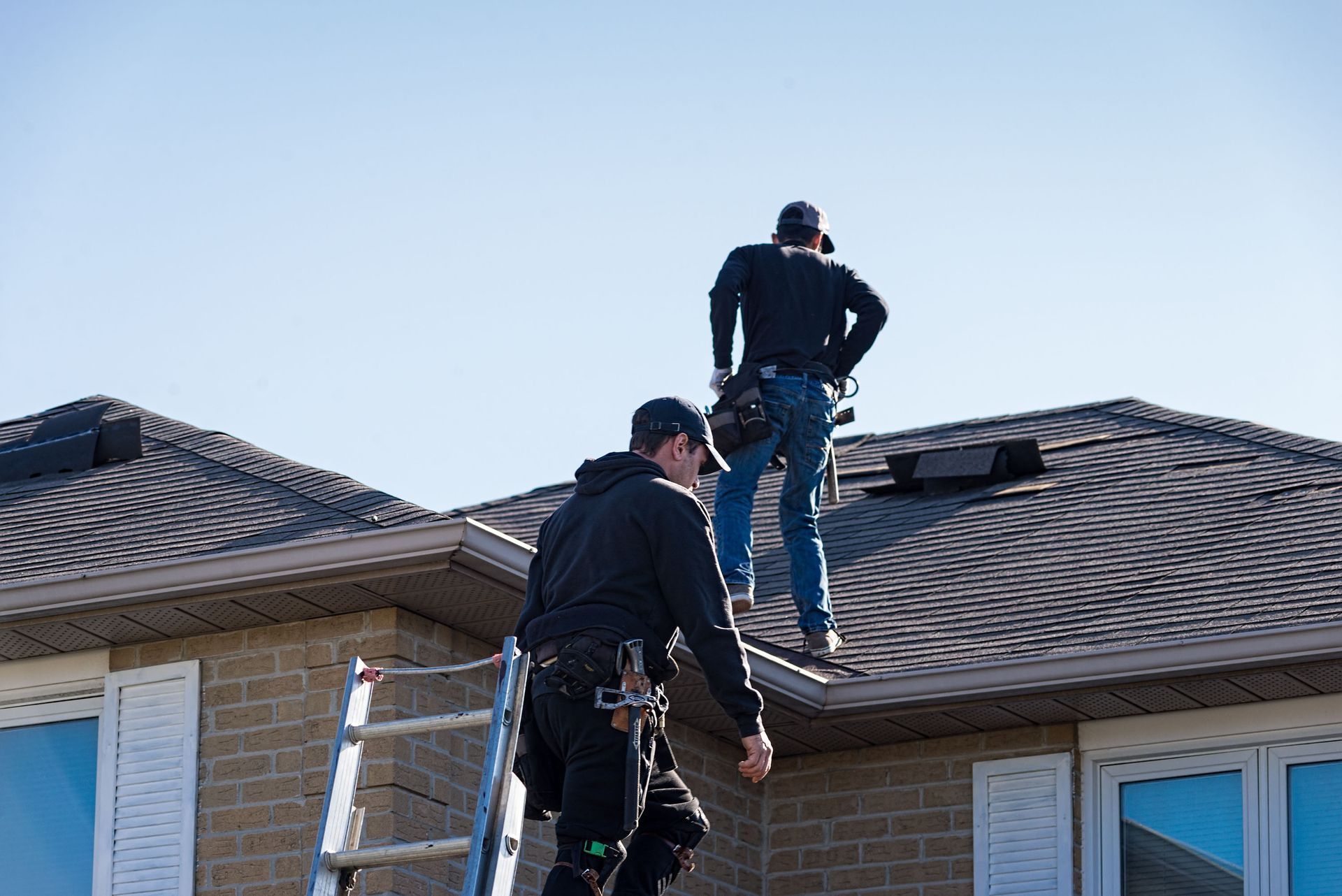
Professional roof inspections involve more than simply looking for obvious damage. Commercial roofers examine roofing materials, seams, flashing, drainage systems, penetrations, edges, and other vulnerable areas where deterioration or water intrusion can occur.
Depending on the roofing system and suspected problem, professionals may use moisture meters, infrared technology, core samples, probes, measuring equipment, and other specialized tools. These techniques can help locate moisture beneath roofing materials or identify areas that warrant closer examination.
Visual documentation is also useful. Photographs and inspection reports can establish a record of existing conditions and make it easier to compare the roof's condition during future inspections. Commercial roofers can use these findings to distinguish routine wear from damage that requires immediate attention.
Professional inspections are particularly valuable on commercial buildings because large roof areas can make it difficult to identify every problem through a basic visual inspection from ground level.
When Is It Necessary to Call a Professional?
Property owners should consider contacting commercial roofers whenever there are signs of active leaking, visible roofing damage, or unexpected changes in the roof's appearance. A professional evaluation is especially important following severe weather, when wind or hail may damage areas that are difficult to see from the ground.
Other situations warranting professional attention include recurring leaks, standing water, damaged flashing, visible roof punctures, sagging areas, deteriorating seams, or significant accumulation of roofing material in drainage systems.
It is also important to avoid treating a roof as a routine DIY project. Walking on certain commercial roofing systems can cause additional damage, and accessing elevated roof surfaces can create serious fall hazards. Property owners can perform reasonable visual checks from safe locations, but questionable conditions are better evaluated by qualified commercial roofers with the appropriate equipment and experience.
Determining whether damage calls for repair or replacement can also require professional judgment. According to HomeGuide, roof repair is often the more appropriate option when less than 25% of the roof is damaged, repair costs remain below 30% of replacement costs, and the roof is less than 20 years old.
These figures are useful as general guidelines rather than universal rules. Roofing materials, building conditions, local requirements, and the nature of the damage can all affect the appropriate course of action.
What Are the Long-Term Benefits of Regular Roof Maintenance?
Routine maintenance can help property owners address small problems before they become extensive failures. A damaged flashing component, small puncture, clogged drain, or deteriorating seam may be relatively manageable when discovered early. If left unattended, however, water can migrate into other parts of the roofing system and potentially damage insulation, decking, walls, ceilings, or building contents.
Regular maintenance also helps commercial roofers identify patterns of deterioration. Instead of treating each problem as an isolated emergency, property owners can develop a more predictable maintenance strategy based on the actual condition of the roof.
Preventive maintenance may also help extend the useful service life of a roofing system. The exact lifespan varies substantially by material and environmental conditions, but HomeGuide notes that roofing materials have widely different expected lifespans, with some systems lasting decades when properly maintained.
Another benefit is improved budgeting. Emergency repairs can be disruptive and may require immediate attention when weather conditions or building operations make the work more complicated. Planned maintenance gives property owners more opportunities to schedule work around business operations and prepare financially for larger projects.
Commercial roofers can also help prioritize repairs based on urgency. Not every imperfection requires immediate replacement, and not every leak should be ignored. A professional assessment can help distinguish between conditions that require prompt action and issues that can reasonably be incorporated into a longer-term maintenance plan.
Why Does Early Roof Damage Detection Matter?
Roof damage rarely becomes easier or less expensive to address simply because it is ignored. A small defect can allow moisture to enter the roofing system, where it may cause damage that remains hidden until the problem becomes more extensive.
For that reason, property owners should pay attention to visible warning signs, monitor the interior for evidence of water intrusion, and schedule inspections appropriate for the property's roof and environmental conditions. Commercial roofers can provide the professional assessment needed to identify less obvious problems and determine appropriate next steps.
Early detection does not necessarily mean replacing a roof at the first sign of deterioration. In many cases, timely repairs and routine maintenance can preserve a roof that still has useful service life remaining. The key is identifying problems while there are still practical options for addressing them.
By combining routine inspections, prompt attention to warning signs, and professional maintenance, businesses can reduce the likelihood that manageable roof damage develops into a larger and more disruptive problem.
Commercial roofers play an important role in that process by helping property owners understand the condition of their roofing systems and plan appropriate maintenance, repairs, or eventual replacement. If you're looking for commercial roof replacement, reach out to the team at Bronco Roofing & Construction today!