November 5, 2026
A sturdy roof is the primary defense system protecting a residential structure from external forces and unpredictable environmental shifts. While modern roofing materials are engineered for durability, continuous exposure to harsh atmospheric conditions gradually degrades even the highest quality installations. Property owners often fail to notice minor vulnerabilities developing across their rooflines until water begins penetrating interior ceilings and living quarters. Recognizing the direct link between aggressive weather patterns and structural degradation allows property owners to take proactive measures before minor issues evolve into catastrophic structural failures. When sudden storms strike, securing timely local roof repair ensures that small vulnerabilities are resolved before underlying wood decking and interior insulation suffer permanent moisture damage. Navigating the aftermath of severe seasonal weather requires an understanding of how distinct atmospheric elements compromise roofing components over time.
Assessing Severe Wind Damage
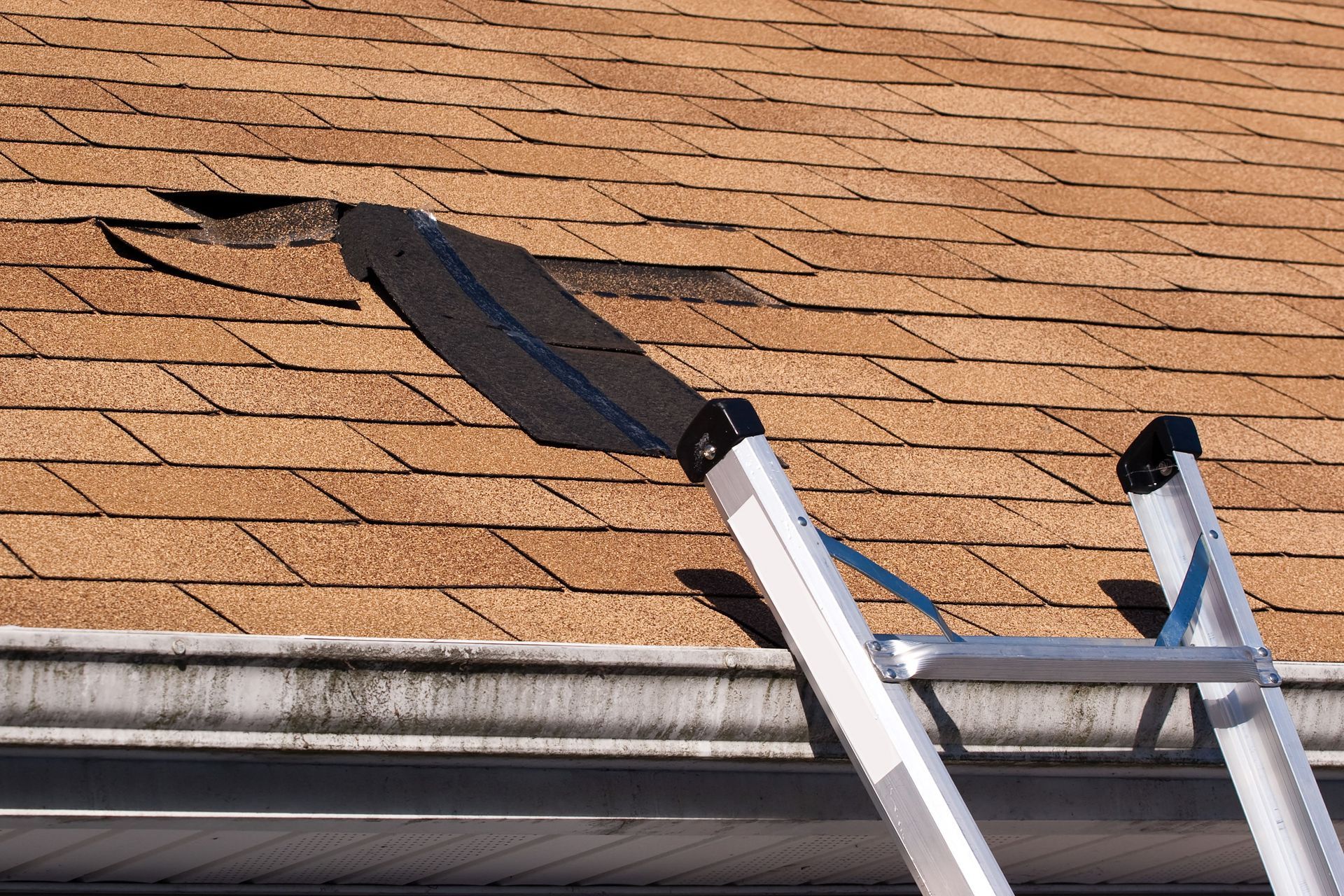
Gale-force gusts and severe windstorms generate intense uplift pressures that exert tremendous physical stress on residential roofing systems. As strong currents sweep across a building, they create aerodynamic suction along the edges, eaves, and ridgelines of the roof deck. Shingles installed along these perimeter zones absorb the brunt of the kinetic energy, causing adhesive sealant strips to pull apart from underlying fasteners. Once the bonding seal fails, subsequent gusts catch beneath the asphalt tabs, bending the material backward until individual shingles crease, crack, or tear away entirely. Exposed underlayment cannot endure relentless environmental exposure, leaving the structural wood vulnerable to immediate water infiltration.
Windstorms also propel airborne debris that inflicts mechanical trauma across broad expanses of the roof surface. Snapped tree limbs, loose gravel, and dislodged architectural elements strike the protective surface at high velocities, gouging protective granules and splintering delicate composite materials. According to RubyHome, 33% of roof replacements are due to storm damage. Property owners who suspect high winds have loosened materials should promptly schedule professional local roof repair to reinstall missing shingles and secure compromised flashing. Neglecting wind uplift damage allows subsequent rainfall to migrate beneath loosened materials, transforming a localized surface issue into widespread wood rot across the rafters.
Evaluating Harsh Hail Impacts
Hailstorms present an immediate physical threat to residential properties, raining down dense pellets of compacted ice at alarming speeds. The violent downward momentum of these frozen projectiles produces blunt force trauma across the entire roofing landscape. When large hailstones collide with asphalt shingles, the impact fractures the fiberglass mat beneath the surface while knocking away the protective ceramic mineral granules. This sudden loss of granular coverage exposes the underlying bituminous asphalt coating to direct solar ultraviolet degradation, accelerating premature aging. Without an adequate mineral barrier, the damaged areas quickly become brittle and develop hairline fissures that admit moisture.
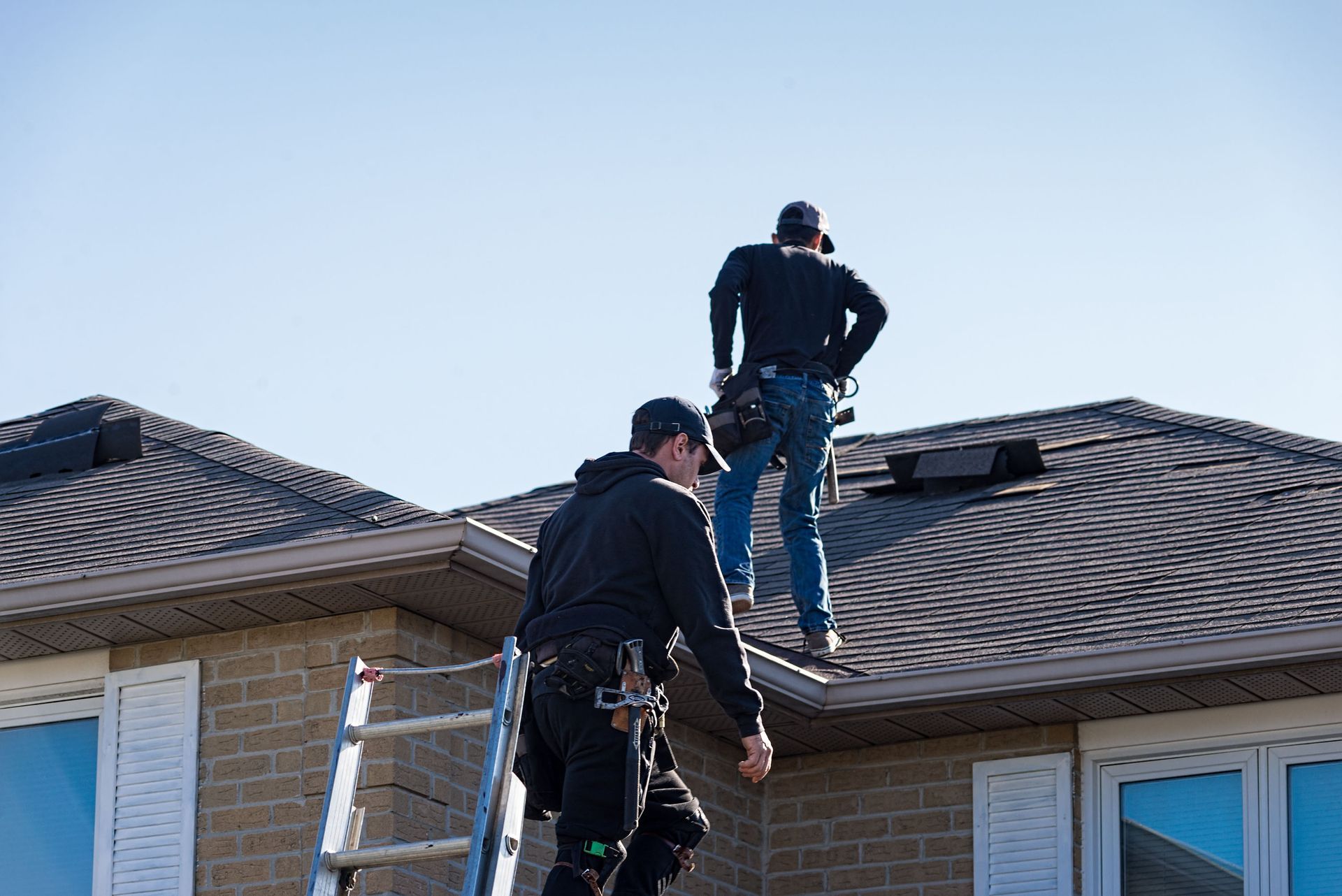
The challenge with hail impact lies in its subtle presentation, as surface bruising is frequently invisible to an untrained observer standing on ground level. Dented aluminum flashing, fractured ridge caps, and crushed vent pipes often signal widespread hail distress across the broader expanse. Over several seasonal cycles, bruised shingle mats weaken until water finds a pathway into the home. Enlisting trusted local roof repair specialists following a severe hailstorm ensures that subtle punctures and fractured underlayment are identified through meticulous physical inspection. Timely interventions restore compromised surfaces and prevent deep structural saturation that would otherwise demand extensive roof replacement.
Addressing Torrential Rain Intrusion
Torrential rain represents a relentless adversary that actively searches for every tiny gap, perforation, and seam across the exterior envelope of a building. During sustained cloudbursts, immense volumes of water cascade down sloped surfaces and overwhelm drainage pathways like valleys and gutters. If gutters become clogged or valleys suffer from improper slope alignment, water pools against vulnerable joints rather than shedding harmlessly away from the structure. Capillary action can draw standing liquid upward beneath overlapping shingles, allowing moisture to saturate the protective felt underlayment and reach the wooden substrate below.
Prolonged water exposure rapidly destabilizes the structural integrity of plywood sheathing, causing the decking boards to buckle, swell, and decay. As interior moisture levels rise, toxic fungal colonies flourish inside attics and wall cavities, posing health hazards to residents while compromising thermal insulation efficiency. Seeking experienced local roof repair at the earliest sign of staining along interior drywall helps isolate the precise exterior breach. Skilled technicians reseal failing flashing assemblies around chimneys, repair rusted valley liners, and replace deteriorated underlayment, thereby restoring a completely waterproof barrier before wood framing suffers structural failure.
Managing Frozen Winter Accumulation
Freezing temperatures and winter precipitation introduce unique physical challenges that threaten the longevity of residential roofing materials. When substantial snow blankets a home, heat escaping through an uninsulated attic melts the bottom layer of snow resting against the roof deck. As the resulting meltwater runs downward toward the colder, unheated eaves, it refreezes into a solid ridge of ice. This expanding ice dam obstructs subsequent runoff, forcing standing pools of water backward beneath the lower edges of the shingles. The trapped liquid eventually seeps past underlayment barriers, leaking into soffits, exterior walls, and ceiling framing.
Furthermore, repeated freeze and thaw cycles cause minor fissures within roofing materials to expand through hydrostatic expansion. Liquid water penetrates hairline cracks during warmer daytime hours, and as night falls and temperatures plummet, the expanding frozen moisture widens the fractures. Homeowners can counteract these winter hazards by investing in comprehensive local roof repair designed to seal vulnerable eaves, install specialized water-repellent ice membranes, and improve ventilation pathways. Addressing thermal losses and mechanical barriers before winter settles ensures the structure withstands severe freezing conditions without suffering structural collapse or interior leaks.
Mitigating Extreme Heat Deterioration
While dramatic storms receive substantial attention, prolonged exposure to relentless summer heat causes gradual yet severe deterioration across roofing assemblies. Blistering solar radiation elevates surface temperatures on dark shingles to remarkable extremes during long summer days. This intense thermal saturation slowly bakes the volatile oils out of asphalt compounds, causing shingles to dry out, lose flexibility, and warp. Over time, heat-damaged shingles curl upward along the edges or become excessively brittle, rendering them incapable of resisting subsequent rainfall or moderate wind gusts.
Excessive heat also induces rapid thermal expansion and contraction within metal flashing materials, causing structural fasteners to loosen and waterproof caulking compounds to crack. When attic ventilation systems are restricted or poorly designed, trapped superheated air cooks the underside of roof decking, accelerating shingle decay from both sides simultaneously. Engaging dedicated local roof repair technicians allows property owners to resolve thermal distress through targeted ventilation improvements, damaged shingle replacements, and refreshed flashing sealants. Regular maintenance preserves protective flexibility, ensuring the overall roofing system remains resilient against the elements year after year.
Weather patterns exert continuous physical stress on residential roofs, testing the endurance of shingles, underlayment, and structural framing throughout every season. From the violent uplift of gale-force winds and the blunt impact of heavy hail to torrential downpours, winter ice dams, and scorching summer heat, each atmospheric condition presents distinct hazards that can compromise residential structures. Proactive maintenance and timely local roof repair are indispensable strategies for preserving property value, safeguarding interior living spaces, and preventing premature roof failure. Taking decisive action at the earliest indication of weather-related wear protects your investment and delivers lasting peace of mind. If you are interested in evaluating the condition of your roof or want to discuss your repair options with a friendly and reliable team, please reach out and contact Bronco Roofing & Construction today.